Currently Empty: $0.00

September 14, 2024
0 Comments
Galoya National Park
Unknown gem – Gal Oya National Park
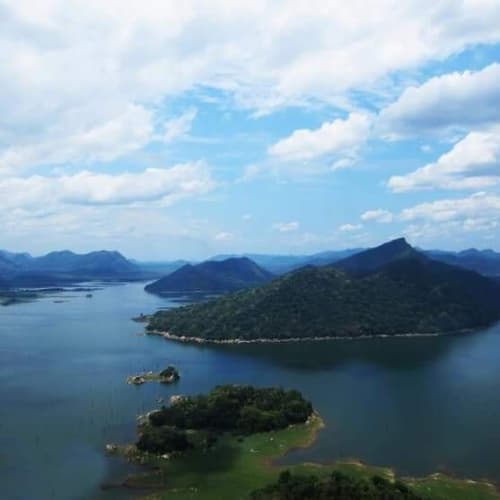
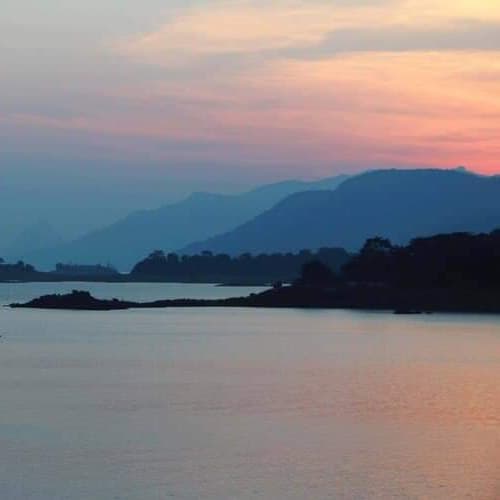
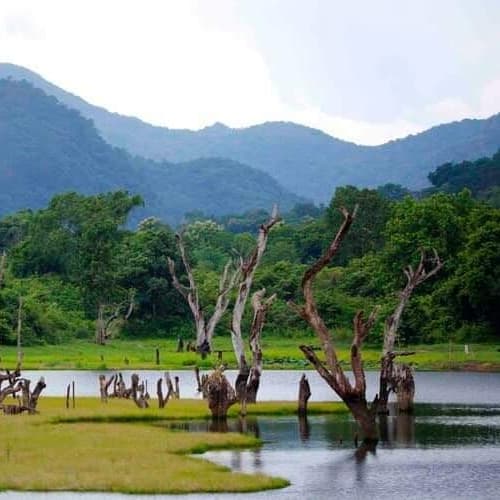
Gal Oya National Park, located in the Uva and Eastern provinces of Sri Lanka, was established in 1954. It serves as the main catchment area for Senanayake Samudraya, the largest reservoir in Sri Lanka. The park plays a crucial role in wildlife conservation and environmental protection while being an important site for biodiversity, especially for its elephant herds and Ayurvedic medicinal plants.
Location: Uva and Eastern provinces, Sri Lanka
Nearest City: Ampara
Area: 25,900 hectares (259 km2)
Established: February 12, 1954
History and Significance
Gal Oya National Park was created as part of the Gal Oya development project, which involved damming the Gal Oya River at Inginiyagala in 1950 to create the Senanayake Samudraya reservoir. From 1954 to 1965, the park was administered by the Gal Oya Development Board until the Department of Wildlife Conservation took over. The park is situated 314 km (195 miles) from Colombo, Sri Lanka’s capital.
To protect the catchment areas of Senanayake Samudraya and other reservoirs, several protected areas were established by the Gal Oya Development Board in 1954.
The reservoirs cover 63,000 hectares (630 km2) of land.
In 1974, the Buddhangala Sanctuary was also designated, which is a monastery area with ruins of an ancient stupa and other buildings.
Geography and Features
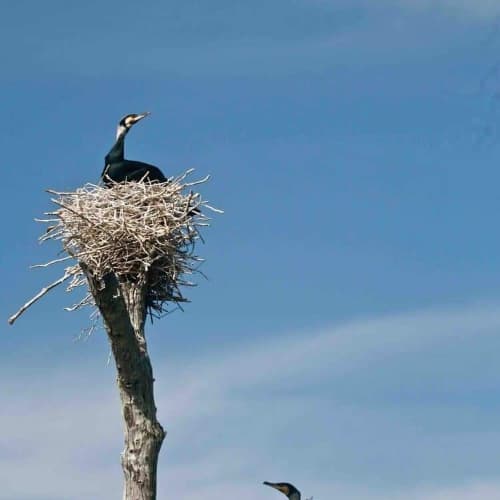
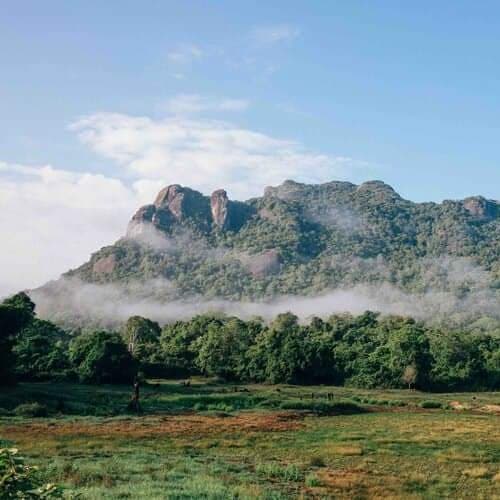
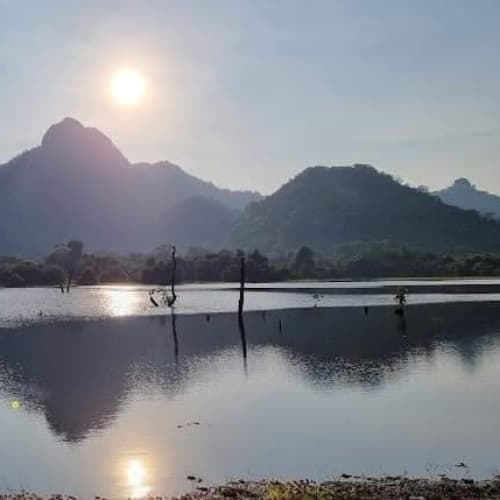
The park’s elevation ranges from 30 meters to about 900 meters, with notable mountains such as Danigala, Nilgala, and Ulpotha. The region receives an average annual rainfall of 1,700 mm, primarily during the North-Eastern monsoon. A unique feature of the park is Bird’s Island in Senanayake Samudraya, which serves as a nesting site for various bird species. Additionally, Makara Kata (known as the “dragon’s mouth”) is a natural water tunnel formed where Gal Oya flows into the reservoir.
A significant cultural site within the park is the Dighavapi Stupa, which dates back to the 2nd century BC. According to tradition, it marks the spot where the Buddha meditated during his third visit to Sri Lanka. Another historical point is Danigala, known for its connection to the Henebedde Veddas, with a nearby rock containing Brahmi inscriptions.
Flora and Fauna
The vegetation in Gal Oya National Park comprises three main types: forest, shrubland, and grassland. There are substantial areas of savannah grasslands called thalawa and mountainous grasslands known as pathana. Common floral species include Berrya cordifolia, Longan, Mangifera zeylanica, Diospyros spp., Ziziphus spp., and Mallotus repandus. The park also harbors rare medicinal plants like Pterocarpus marsupium, Careya arborea, and Cassia fistula.
Wildlife
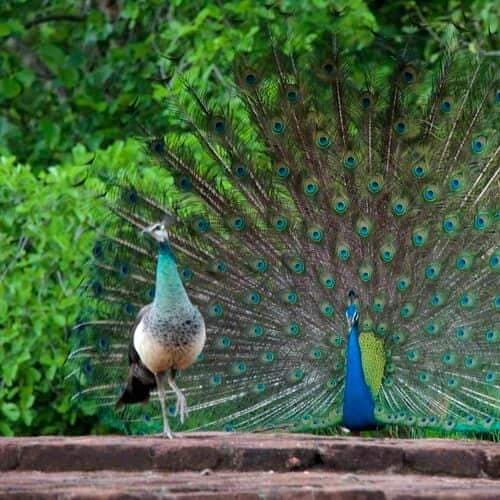
Gal Oya National Park is home to a rich diversity of wildlife.
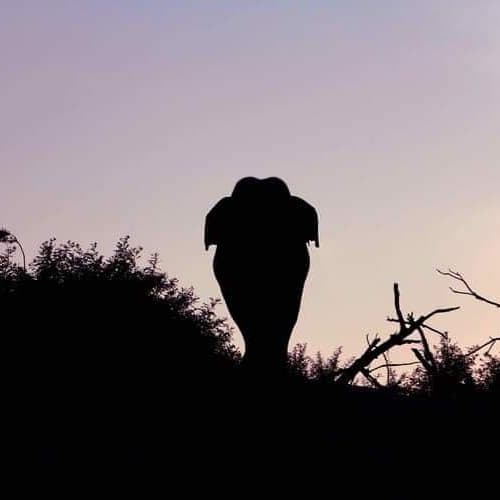
Mammals: 32 species, including the Sri Lankan elephant, Sri Lankan axis deer, muntjac, water buffalo, Sri Lankan sambar deer, Sri Lanka leopard, toque monkey, and wild boar.
Reptiles: species such as the mugger crocodile and star tortoise.
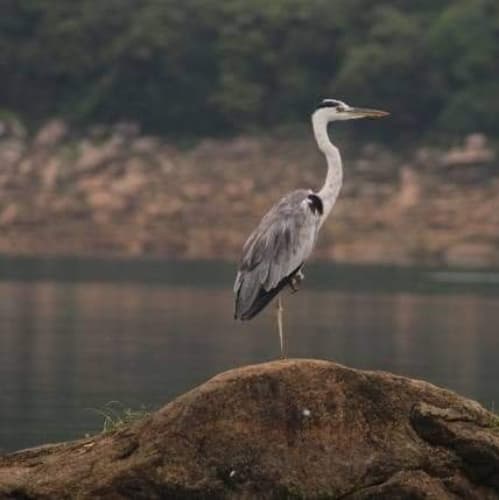
Birds: Over 150 species have been recorded, including the lesser adjutant, spot-billed pelican, red-faced malkoha, Indian cormorant, Oriental darter, grey heron, lesser whistling duck, white-bellied sea eagle, and grey-headed fish eagle.
Butterflies: Notably, the endemic lesser albatross is found here.
Conservation Challenges
Despite its protected status, Gal Oya National Park faces several conservation challenges:
Illegal Logging: Approximately 30 acres of forest have been illegally cleared.
Smuggling of Medicinal Plants: The park has seen cases of illegal harvesting of valuable plant species.
Human-Wildlife Conflict: Human-elephant clashes are a significant concern in the region.
Resource constraints: The park suffers from an inadequate number of rangers, which hampers effective law enforcement and conservation efforts.
Future Initiatives
To address these challenges, a proposed jungle corridor between Gal Oya and Maduru Oya National Park aims to facilitate wildlife movement, particularly for elephants, and to strengthen biodiversity conservation in the region.
Gal Oya National Park remains a crucial site for biodiversity, cultural heritage, and conservation in Sri Lanka, despite facing modern environmental and human pressures.
#madebysrilankan ❤️🇱🇰
📸 credit to photographers